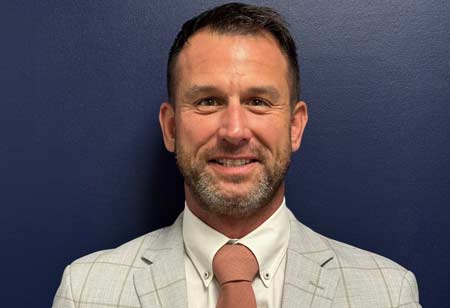
Richard Foist, Environment, Health and Safety Manager, Ox Industries

Building a Culture of Safety in Manufacturing

My 23 years in the military taught me strong leadership is built on trust, accountability and a clear vision. In the recycled paper mill, I apply these same principles by setting expectations, ensuring every team member understands their role and fostering open communication. I lead by example, consistently reinforcing safety protocols and adapting strategies based on feedback and data. This approach ensures a proactive safety culture, where every employee feels valued and empowered to contribute to a safer workplace.

Practicing what we preach in a manufacturing setting means that leadership embodies the environmental, health, and safety standards we expect from every employee. In practice, it looks like daily actions aligned with our values, from ensuring team members have proper PPE to conducting regular safety audits and reducing waste. As a leader, I engage in the same practices I expect from the team, whether it’s completing safety training, following procedures without exception or seeking continuous improvement. I tell leaders all the time, “Never forget where you came from. Just because you got promoted, if you want to be respected as a leader, then you must still do everything that you ask the employee to do, like attending safety training. If the employee sees the leader does not attend training or wear the proper PPE, then why should they?

In addition, how can you have a safety culture if the leaders are not following the standard all the time? If you want 110 percent all the time, then as leaders we must do the same thing all the time. That’s why when I walk around the mill and make corrections on the spot, I do it respectfully, and the employees listen to me because I practice what I preach all the time.” This consistency builds trust, reinforces accountability, and ultimately drives a culture where safety and environmental stewardship are everyone’s responsibility.

Practical Systems and Frontline Ownership

Drawing from my military background, I implement practical strategies that keep safety at the forefront. First, we formed a dedicated safety committee, whose members are visibly posted around the mill so everyone knows who to turn to. We emphasize that every employee has a voice by encouraging them to report hazards without fear of reprisal. We’ve structured our training so all employees conduct audits throughout the year, giving them the skills to identify and address hazards firsthand. By fostering a culture of shared responsibility and learning from near misses, we empower every team member to be an active part of the solution, ensuring safety principles are truly lived every day on the floor.

My 23 years in the military taught me strong leadership is built on trust, accountability and a clear vision.

I encourage frontline employees to take personal ownership of safety by making them active partners in the process. I ensure they connect their daily work to real outcomes by sharing stories of how their actions prevent injuries and protect their coworkers. My organization shares best practices from other mill locations monthly in an effort to prevent the same incident from happening at our mill. I also give them ownership by encouraging them to join the safety committee, and after every meeting we post around the mill what the safety committee has completed that month.

This shows employees that their voices are heard, and they see action is taken when they voice concern. Even if we cannot make a recommended change, we follow up with the employee and tell them why we cannot make the change they asked for. When they see that their insights directly shape safety protocols, they begin to take pride in safeguarding each other, making safety a personal commitment rather than just a rule to follow.

Moving From Rules to a Culture of Safety

To move from a rule-driven safety program to a deeply embedded culture, we need key mindset shifts. First, leadership must embody safety as a daily priority, not just a box to check. Second, we encourage a growth mindset by viewing mistakes as learning tools, not punishments. We also foster cross-functional collaboration, so safety is embedded in every role. By celebrating proactive behaviors, soliciting feedback and making safety part of our daily decisions, we transform it from a set of rules into a shared, personal commitment, where everyone takes pride in creating a safe workplace.

As I mentioned earlier, we celebrate proactive behaviors. A few examples are a monthly cash reward drawing for everyone who attends all safety training. This is based on how many days we go without recordable incidents or lost time actions. Every year we host a safety week, which is solely focused on safety games and events to emphasize to the employees that safety is important to the company.

Lastly, we have a GM Safe Employee of the Year. This comes from a drawing that includes the twelve winners from each month for Safe Employee of the Month. Every month, the leadership and the safety committee vote on a Safe Employee of the Month, who in turn wins a small prize, and their name gets put into the drawing at the end of the year for the General Manager Safe Employee of the Year award, which is conducted during safety week. This is how we are working hard to create a safety culture and improve proficiencies across the board daily.

The articles from these contributors are based on their personal expertise and viewpoints, and do not necessarily reflect the opinions of their employers or affiliated organizations.